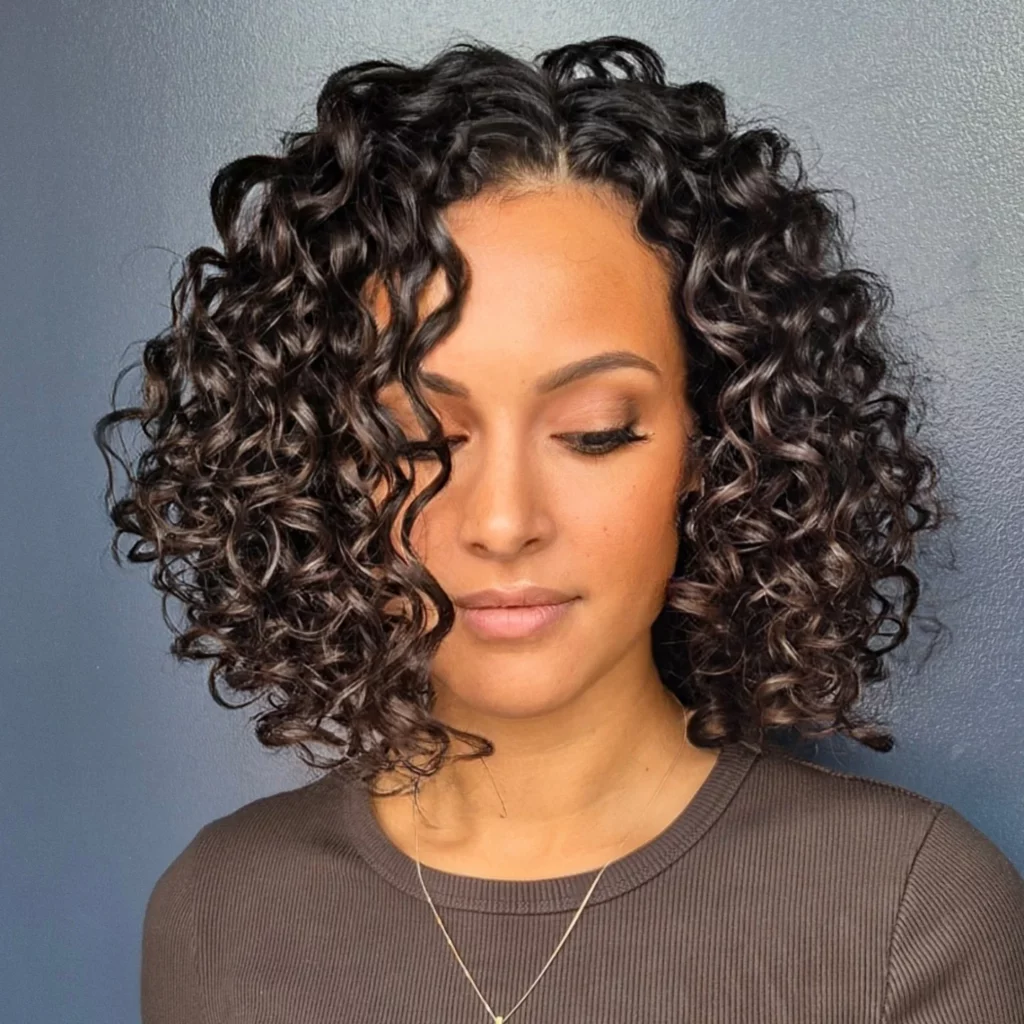
Curly Girl Method – 5 Common Mistakes to Avoid
The Curly Girl Method (CGM) is a hair care routine designed to embrace and enhance natural curls. Developed by Lorraine Massey, the method eliminates harsh shampoos, sulfates, silicones, and heat styling while focusing on hydration, gentle cleansing, and curl-friendly styling techniques.
While the Curly Girl Method has undoubtedly revolutionised the way many individuals care for and embrace their natural curls, it is important to recognise that it may not be a one-size-fits-all solution.
Every curl type is different, and some people may find that the strict adherence to this method doesn't work for their unique hair type. This is where professional curly hair care can make all the difference.
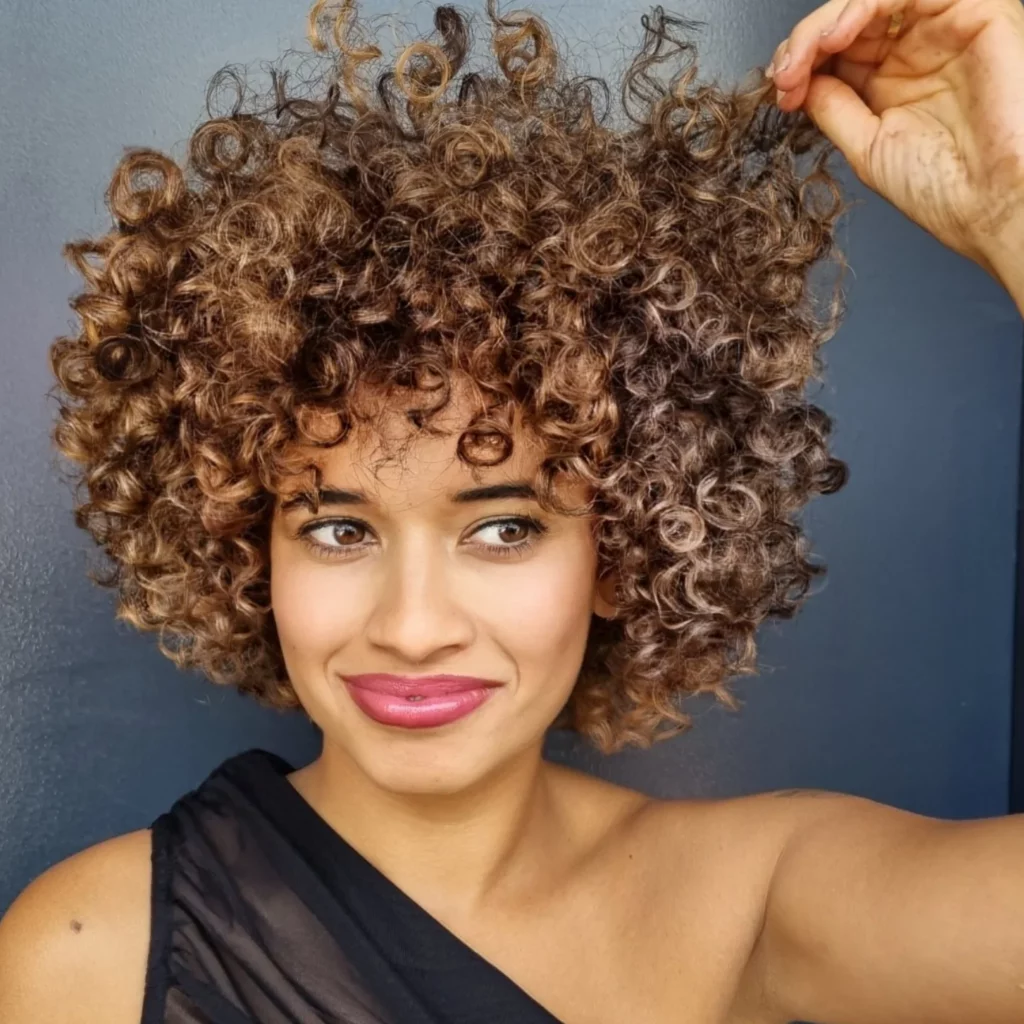
Curly Girl Method Mistakes to Avoid (and When to Seek Professional Advice)
The Curly Girl Method (CGM) has helped thousands embrace their natural curls, but even with the best intentions, it's easy to make mistakes along the way. Here are some of the most common pitfalls to watch out for:
1. Using Products with Hidden Sulfates and Silicones
The Curly Girl Method encourages avoiding sulfates and silicones, but many products — even some labelled "curly-friendly" — still contain these ingredients. Not all silicones are bad, and in some cases, certain hair types may even benefit from occasional sulfate use.
The effects of silicones depend largely on your hair's individual needs and porosity. For some, especially those with high-porosity hair, silicones can offer extra protection and help lock in moisture. Others may choose to limit or avoid them altogether.
In the end, while some people steer clear of silicones, they can still play a useful role in controlling frizz, maintaining hydration, and improving the look and feel of curls — when used correctly and paired with suitable products.
2. Not Rinsing Conditioner Properly
Leaving too much conditioner in your hair can lead to buildup and weigh down your curls. On the other hand, rinsing too thoroughly can leave hair dry and prone to frizz. Finding the right balance depends on your hair's porosity and texture.
3. Overloading on Products (or Not Using Enough)
It can be tricky to get the right combination of leave-in conditioner, curl cream, gel, and other styling products. Too much product can leave curls heavy or greasy, while too little may leave them undefined and frizzy.
4. Expecting Immediate Results
The Curly Girl Method often involves a transition phase. Some people may need weeks or months to see consistent results, while others may find that their curl type needs some adjustments to the routine.
5. Not Adjusting for Climate (Especially in Australia!)
Australian weather can create unique challenges for curls. High humidity can cause frizz, while dry air can leave curls dehydrated. The Curly Girl Method doesn't always offer clear advice for adapting to local climates.
When In Doubt, Professional Advice Can Help
Every head of curls is different, and what works for one person may not work for another. If you're struggling to find the right products, techniques, or routines, a professional curly hair specialist can assess your unique curl type and create a routine tailored to your hair, lifestyle, and the Australian climate.
Curly Girl Method Steps & Common Questions
What is the Curly Girl Method routine?
The CGM follows these basic steps:
- Cleanse (with sulfate-free shampoo or co-wash)
- Condition (using the squish-to-condish method)
- Style (applying leave-in, curl cream, and gel)
- Dry (air-dry or diffuse with minimal touching)
- Refresh (lightly spritz with water and scrunch on non-wash days)
How long does the Curly Girl Method take to work?
It varies! Some people see results within a few weeks, while others take several months as their hair adjusts. If you're not seeing results, a professional stylist can help adjust your routine.
Does the Curly Girl Method work in Australia?
Due to Australia's unique climate, many find they need modified routines that include lightweight products in summer and richer conditioners in winter.
What are the Cons of the Curly Girl Method?
- It has a learning curve.
- Some people experience an adjustment phase.
- It may not work for all curl types.
- Finding CGM-approved products can be challenging.
What do you avoid for the Curly Girl Method?
- CGM suggests avoiding sulfates, silicones, drying alcohols, and heat styling.
However, some people benefit from occasional clarifying washes or lightweight silicones.
Clarifying shampoo is designed to deeply cleanse the hair and scalp, removing product buildup, excess oil, hard water minerals, and environmental impurities. Over time, residue from styling products, conditioners, and even regular shampoos can accumulate, weighing curls down and disrupting the natural curl pattern.
A clarifying treatment helps refresh your curls, restore bounce and volume, and improve overall hair health. For people with curly hair, occasional clarifying can be an important part of maintaining definition and preventing buildup that leads to dull, limp strands.
If you feel there is a build up then apply a clarifying shampoo every 2 weeks with Aveda Rosemary Mint will remove this
Does mousse or gel go first in the Curly Girl Method?
Gel goes last, after leave-in and curl cream – to hold curl definition.
Does hair get curlier with the Curly Girl Method?
Yes, but only if the hair's natural curl pattern allows for it. Professional styling can also help define curls beyond CGM techniques.
What is plopping hair?
Plopping is a technique where you wrap your curls in a microfiber towel to enhance curl definition and reduce frizz.
Do you brush your hair with the Curly Girl Method?
No, brushing can disrupt curl patterns – detangle in the shower instead.
How do I make my wavy hair more curly?
Use curl-enhancing products, diffuse instead of air-drying, and avoid heavy products that weigh waves down. A professional stylist can help identify the best techniques.
Is silicone bad for curly hair?
Not always! Some lightweight silicones help with frizz, while heavy silicones can cause buildup. A stylist can help determine what's best for your hair.
Conclusion: Is the Curly Girl Method Right for You?
Although the Curly Girl Method, developed by pioneer Lorraine Massey, has transformed how many people care for and embrace their natural curls, it's important to understand that it isn't a one-size-fits-all approach. Here's why:
Realistic Routines: For busy professionals and parents, the strict "no heat" rule simply isn't practical. Diffusing hair is often essential for achieving desired results efficiently.
Too Many Rules: The rigidity of the method can be overwhelming. In today's fast-paced world, few have the time-or need-to follow every guideline to the letter.
Scalp Health Matters: Your scalp is skin, just like your face. Skipping proper cleansing can lead to itchiness, dryness, buildup, hair loss, and even fungal issues. Co-washing alone can clog pores – imagine applying conditioner to your face daily without cleansing.
Hair Should Be Fun: We believe in celebrating individuality. Colour adds dimension, personality, and vibrancy. With today's advanced products, including UV protection and bond builders responsible colouring is far less damaging than it once was.
At Aoki Hair, we embrace a "your hair, your rules" philosophy prioritising freedom, fun, and scalp health without unnecessary restrictions.
While the Curly Girl Method may work for some, at Aoki Hair we choose a more flexible, results-driven approach tailored to modern lifestyles.
If you're struggling with your curly hair, consult with the team at Aoki Hair the curly hair specialist in Perth to find the best approach for your unique curls!